

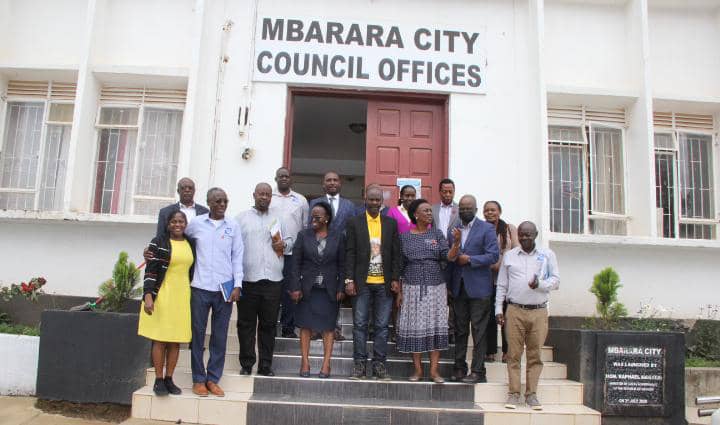
Mbarara City recorded a total of 1,678 new HIV infections between January and December 2025, with the highest numbers reported among youths and adults, according to city health authorities.
The figures were revealed by Dorcus Twinabaitu, Mbarara City HIV Focal Person, during a meeting on Tuesday at Mbarara City Hall with officials from the Uganda AIDS Commission.
The meeting reviewed HIV prevention, treatment, and care services as part of efforts to end HIV as a public health threat by 2030.
Twinabaitu explained that the majority of new infections occurred among adults aged 25–39, followed by youths aged 15–24.
“Out of the 1,678 new HIV infections recorded in 2025, 42 were children aged 0–14 years, 448 were youths aged 15–24, 883 were adults aged 25–39, and 305 were people aged 40 years and above,” Twinabaitu said.
She attributed the rising number of infections largely to low condom use, particularly among young people engaging in sexual relationships without knowing their partners’ HIV status.
“One of the biggest challenges we are facing is the decline in condom use, particularly among young people. Many engage in sexual relations without first knowing their partners’ HIV status, which is accelerating the spread of the virus,” she warned.
Twinabaitu called for renewed awareness campaigns and strengthened prevention strategies, urging communities, health workers, and leaders to intensify sensitisation on safe sexual practices and HIV testing.
Health reports indicate that HIV prevalence in Mbarara remains significantly higher than the national average, with urban populations and young women among the most affected groups. Recent estimates show HIV prevalence in Mbarara City ranges between 8.1 percent and 9.6 percent, compared to Uganda’s national average of about 5.1 percent. In the wider Mbarara District, prevalence is even higher at approximately 14.4 percent.
Officials from the Uganda AIDS Commission emphasised the need for coordinated efforts among government agencies, health institutions, and communities to strengthen prevention, testing, and treatment services.
The meeting at City Hall focused on evaluating current HIV interventions and identifying gaps that must be addressed to achieve the national target of ending HIV as a public health threat by 2030.
